Natural Lifestyle Practices for Holistic Well-being
Master the daily practices that support physical vitality, mental clarity, emotional balance, and environmental harmony.
Mindfulness: Cultivating Conscious Living
Mindfulness represents the practice of bringing full, non-judgmental awareness to present-moment experience. This ancient practice has become central to modern wellness, supported by extensive research demonstrating profound effects on stress reduction, emotional regulation, cognitive function, and overall quality of life.
Unlike meditation, which is a specific formal practice, mindfulness can be woven throughout daily life—bringing full awareness to eating, walking, working, and relating to others. This quality of presence fundamentally shifts our experience of life and our capacity to respond thoughtfully rather than react automatically to circumstances.
Practical Mindfulness Approaches
- Formal Meditation: Regular practice of sitting meditation, body scans, or breathing exercises develops mindfulness capacity
- Mindful Movement: Practices like yoga, tai chi, or qigong combine movement, breathing, and awareness
- Conscious Eating: Paying full attention to food flavors, textures, and the eating experience enhances satisfaction and digestion
- Present Conversation: Giving full attention to conversations without mental distraction deepens relationships
- Nature Connection: Spending time in natural settings with full sensory awareness reduces stress and restores mental clarity
Sleep: The Cornerstone of Restoration
Sleep represents one of the most critical yet often neglected pillars of wellness. During sleep, the body engages in profound restorative processes: cellular repair, immune system strengthening, memory consolidation, and emotional processing.
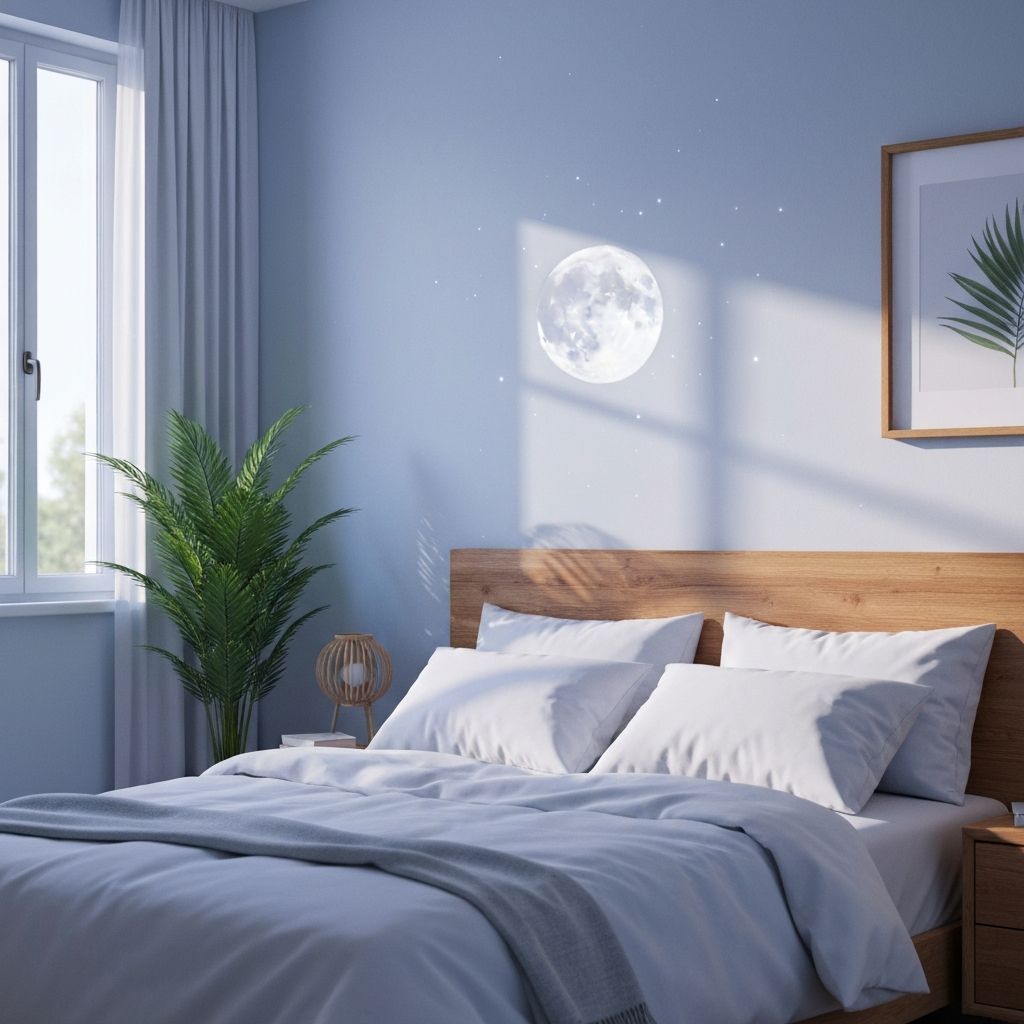
Supporting Quality Sleep
Sleep Environment
A dark, cool, quiet bedroom supports sleep quality. Removing electronic devices and minimizing light pollution help the body produce melatonin and enter deep sleep states.
Sleep Consistency
Maintaining consistent sleep and wake times, even on weekends, helps regulate circadian rhythms. This consistency improves sleep quality and daytime functioning.
Pre-Sleep Practices
Evening relaxation practices—such as reading, gentle stretching, meditation, or warm baths—signal to the body that sleep is approaching and facilitate the transition to sleep.
Physical Activity for Vitality
Regular physical activity represents one of the most transformative wellness practices. Movement benefits extend far beyond fitness, profoundly influencing cardiovascular health, mental clarity, emotional resilience, sleep quality, and longevity.
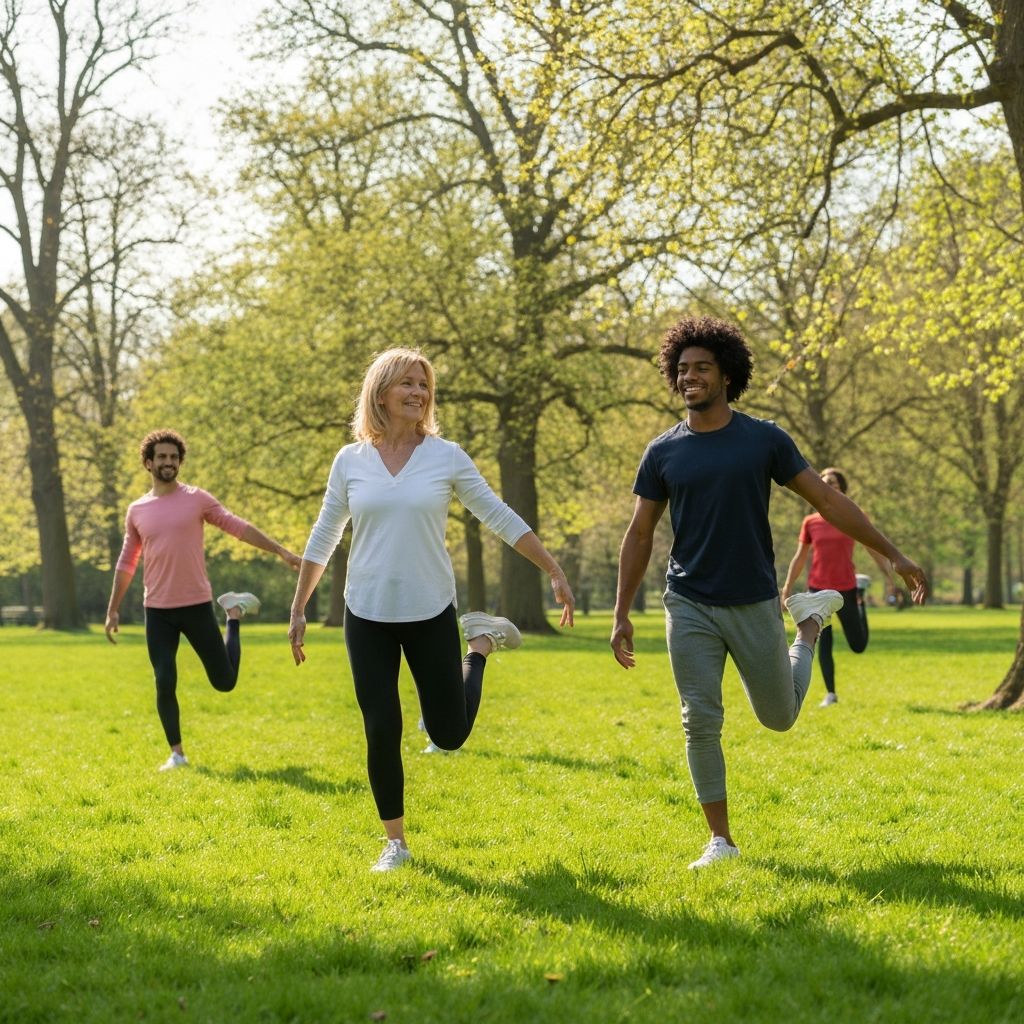
The optimal approach to movement emphasizes consistency, enjoyment, and sustainability rather than intensity or perfection. Activities that bring pleasure—whether walking, dancing, swimming, gardening, or hiking—prove more sustainable than activities pursued purely for fitness outcomes.
Diverse Movement Practices
- Aerobic activity like brisk walking, cycling, or swimming
- Strength training for muscle maintenance and metabolic support
- Flexibility work including stretching and yoga
- Balance practices beneficial especially with aging
- Recreational activities that bring joy and social connection
Stress Management and Emotional Balance
Chronic stress represents one of the most significant health challenges in modern life. Excessive stress impairs immune function, disrupts sleep, promotes inflammation, and contributes to numerous health challenges. Effective stress management practices are therefore essential to overall wellness.
Rather than attempting to eliminate stress—an impossible task in modern life—effective approaches involve building resilience and developing practices that help the nervous system return to baseline functioning after stressful events.

Evidence-Supported Stress Management Approaches
- Meditation and Breathing Practices: Activate the parasympathetic nervous system and promote relaxation
- Physical Activity: Metabolizes stress hormones and promotes mood-supporting neurotransmitter production
- Social Connection: Meaningful relationships buffer against stress and promote resilience
- Time in Nature: Natural settings reduce cortisol levels and restore mental clarity
- Creative Expression: Art, music, writing, and other creative activities facilitate emotional processing
- Adequate Sleep: Sleep deprivation increases stress sensitivity and impairs coping capacity
Environmental Wellness
Our personal health cannot be separated from our physical environment. The quality of air and water, exposure to natural light, access to green spaces, and freedom from excessive noise and pollution all profoundly influence health outcomes.
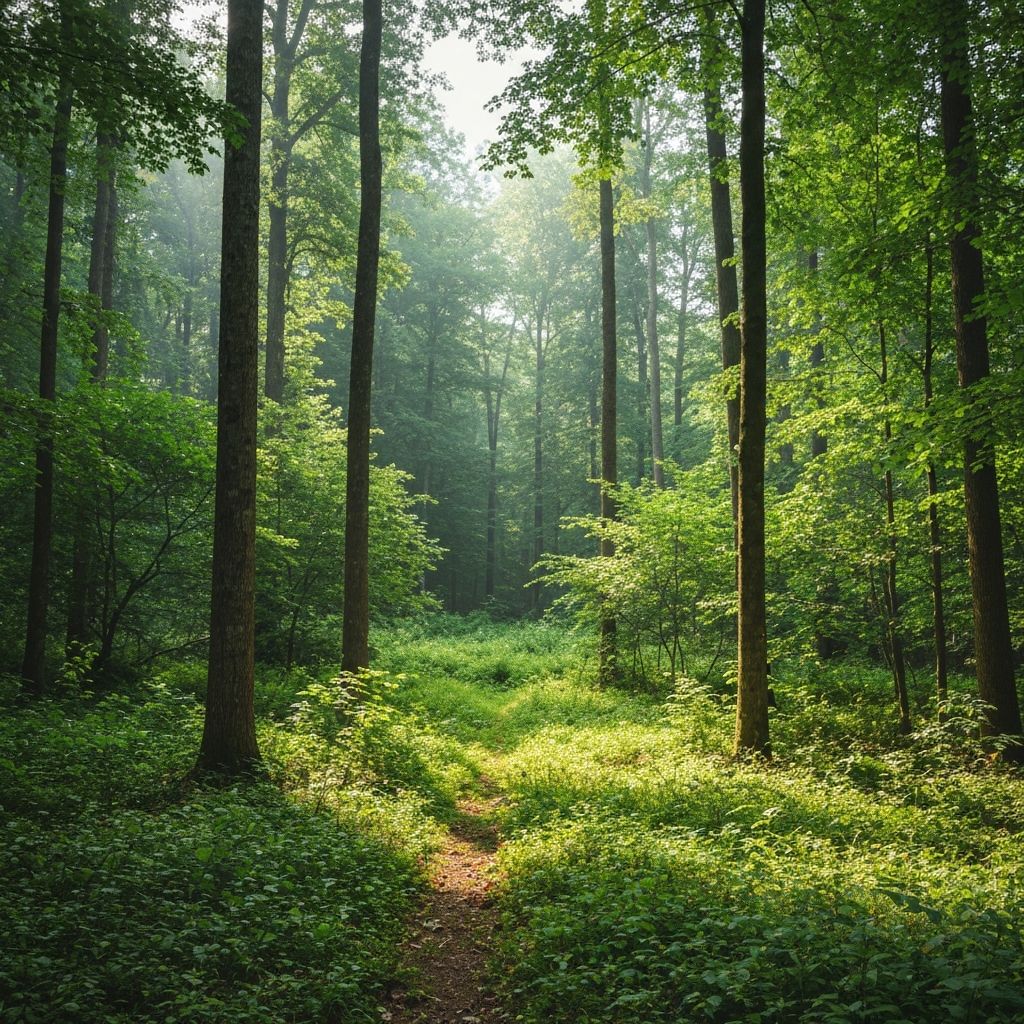
Creating Health-Supporting Environments
- Natural Light Exposure: Morning light exposure supports circadian rhythm regulation and vitamin D production
- Indoor Plants: Plants improve air quality and create calming, restorative indoor environments
- Access to Nature: Regular time in green spaces reduces stress and promotes psychological well-being
- Air Quality: Minimizing air pollutants and ensuring adequate ventilation supports respiratory and cardiovascular health
- Noise Management: Reducing excessive noise promotes better sleep, reduced stress, and improved cognitive function
Social Connection and Community Wellness
Human beings are fundamentally social creatures. The quality of our relationships and community engagement profoundly influences health outcomes. Research consistently demonstrates that strong social connections buffer against stress, depression, and physical illness, while supporting longevity and life satisfaction.
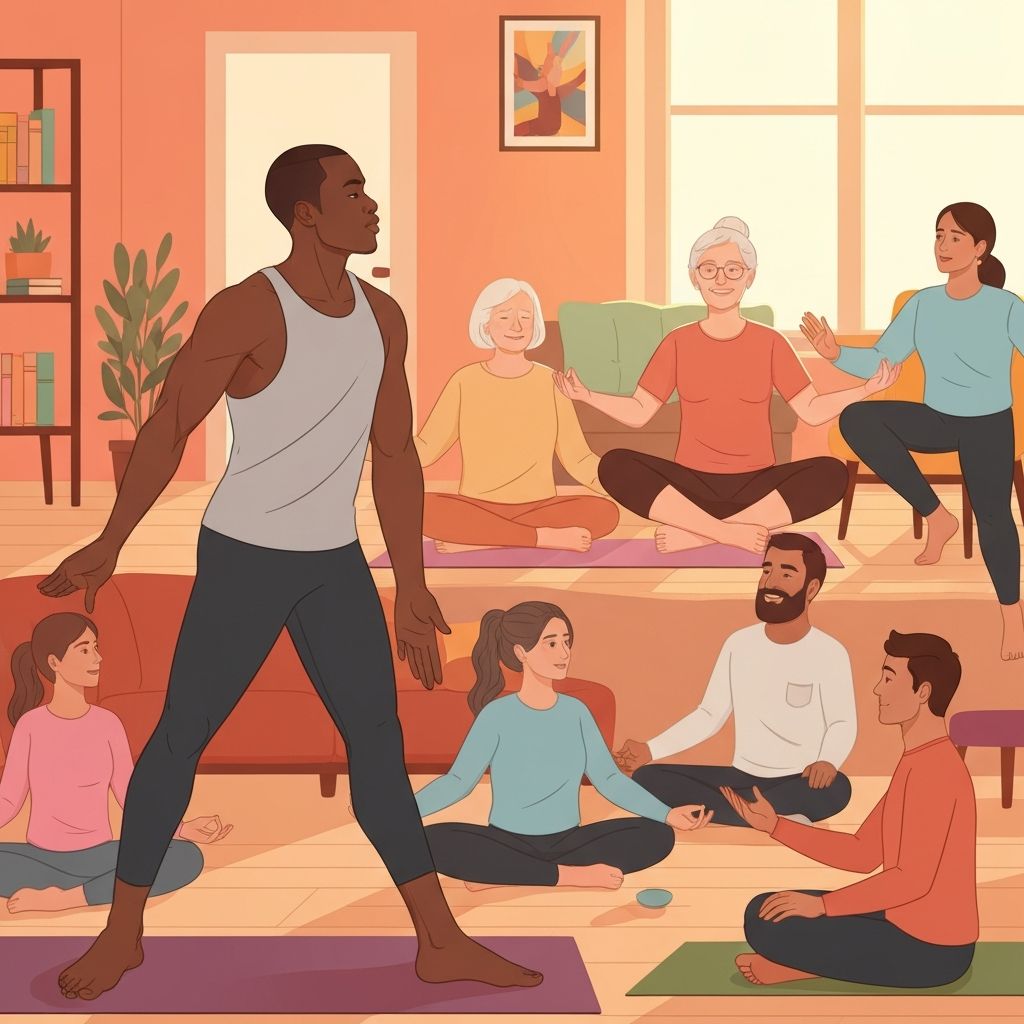
Engaging in community wellness activities—whether through group exercise, shared meals, wellness discussions, or mutual support—creates synergistic benefits that extend beyond individual practice. The shared commitment to wellness creates accountability, motivation, and a profound sense of belonging.
Limitations and Context
Educational Content Only. All materials presented on Jyra are provided for educational and informational purposes only. This content does not constitute medical advice, professional health recommendations, or a substitute for consultation with qualified healthcare professionals.
The lifestyle practices described represent general knowledge about wellness approaches. Individual circumstances vary significantly, and what benefits one person may not be appropriate for another. These descriptions are not promises of specific outcomes.
Anyone with existing health conditions or concerns should consult with appropriate healthcare providers before implementing significant lifestyle changes.