A Comprehensive Guide to Natural Lifestyle, Dietary Approaches, and Holistic Well-being for Balanced Health and Vitality
Explore the foundational principles of natural living, balanced nutrition, and mindful wellness practices.
Understanding Holistic Wellness
Holistic wellness represents a comprehensive approach to well-being that recognizes the profound interconnectedness of mind, body, and environment. This perspective understands that true health emerges not from isolated treatments or interventions, but from the harmonious balance of multiple life dimensions.
At its core, holistic wellness acknowledges that our physical health, mental clarity, emotional balance, and environmental surroundings form an integrated system. When one aspect flourishes, it naturally supports the others. Conversely, neglecting any dimension can create imbalances that reverberate throughout our entire being.
Key Pillars of Holistic Well-being
- Nutrition: Consuming whole, natural foods that nourish the body with essential nutrients
- Movement: Engaging in regular physical activity suited to individual capacity and preference
- Mindfulness: Cultivating awareness and presence in daily life through meditation and conscious living
- Sleep: Prioritizing restorative rest as a cornerstone of physical and mental renewal
- Social Connection: Maintaining meaningful relationships and community engagement
- Environmental Harmony: Creating living spaces and lifestyle choices that support personal and planetary well-being
The Power of Balanced Nutrition
Balanced nutrition forms the foundation of physical vitality and sustainable health. The foods we choose to consume provide not merely calories, but a complex array of bioactive compounds that influence every aspect of our physiology, from cellular function to immune resilience.
A balanced nutritional approach emphasizes whole foods rather than processed alternatives. This includes a diverse array of fruits and vegetables, which provide essential vitamins and minerals; whole grains that offer sustained energy and dietary fiber; legumes and proteins that support muscle and tissue maintenance; and healthy fats from sources like nuts, seeds, and oils that support brain function and hormone balance.
The principles of balanced nutrition go beyond individual nutrients to consider the holistic impact of our dietary choices on overall health and well-being.

Movement for Vitality
Physical activity serves as one of the most transformative pillars of holistic wellness. Regular movement benefits far more than physical fitness; it profoundly influences mental clarity, emotional resilience, and long-term health outcomes.
The benefits of consistent physical activity include improved cardiovascular function, enhanced muscular strength and flexibility, better metabolic efficiency, improved sleep quality, and significant positive effects on mental health and stress management.
Types of Beneficial Movement
- Walking: A gentle, accessible activity that improves cardiovascular health and mental well-being
- Stretching: Enhances flexibility, reduces muscle tension, and promotes body awareness
- Strength Training: Builds muscle mass, supports bone density, and enhances metabolic function
- Yoga: Combines movement, breathing, and mindfulness for holistic physical and mental benefits
- Dancing: Offers cardiovascular benefits while providing joy and social engagement
- Swimming: Provides low-impact cardiovascular exercise with full-body engagement
Mindfulness and Mental Clarity
Mindfulness represents the practice of bringing conscious awareness to the present moment, without judgment or distraction. This ancient practice has emerged as a cornerstone of modern wellness, supported by extensive research demonstrating its profound effects on mental health, stress reduction, and overall quality of life.

Mindfulness practices such as meditation, conscious breathing, and present-moment awareness help reduce stress, anxiety, and mental fatigue. They enhance emotional regulation, improve focus and cognitive function, and foster a profound sense of inner peace and equanimity. Over time, consistent mindfulness practice can fundamentally shift our relationship with stress, emotions, and life's challenges.
Exploring Natural Ingredients
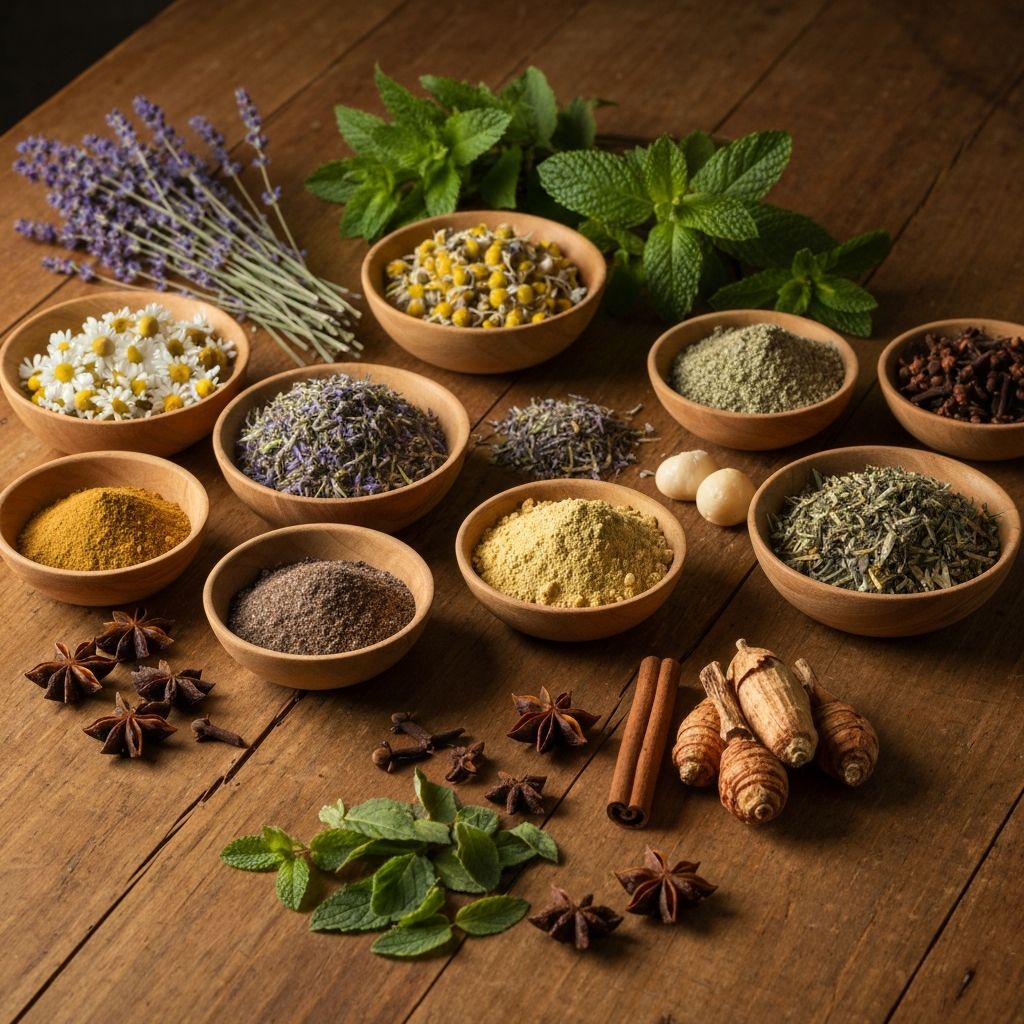
Nature offers a remarkable pharmacy of plants, herbs, and botanicals that have been valued for centuries in traditional wellness practices. These natural ingredients contain a wide array of bioactive compounds that support various aspects of health and vitality.
Adaptogenic Plants
These specialized plants help the body adapt to stress and maintain balance. Examples include ginseng, ashwagandha, and rhodiola, which have been used traditionally to support resilience and energy.
Beneficial Herbs
Common culinary and medicinal herbs like turmeric, ginger, and basil offer support for various body systems. These herbs are valued for their aromatic compounds and traditional wellness applications.
Nutritive Seeds and Nuts
Foods like flax seeds, chia seeds, and almonds provide essential fatty acids, proteins, and minerals that support overall nutrition and sustained energy throughout the day.
Sustainable Living and Environmental Wellness
Our personal health cannot be separated from the health of our environment. Sustainable living practices create a virtuous cycle: choices that benefit the planet often benefit our own well-being, and commitment to personal health encourages stewardship of natural resources.
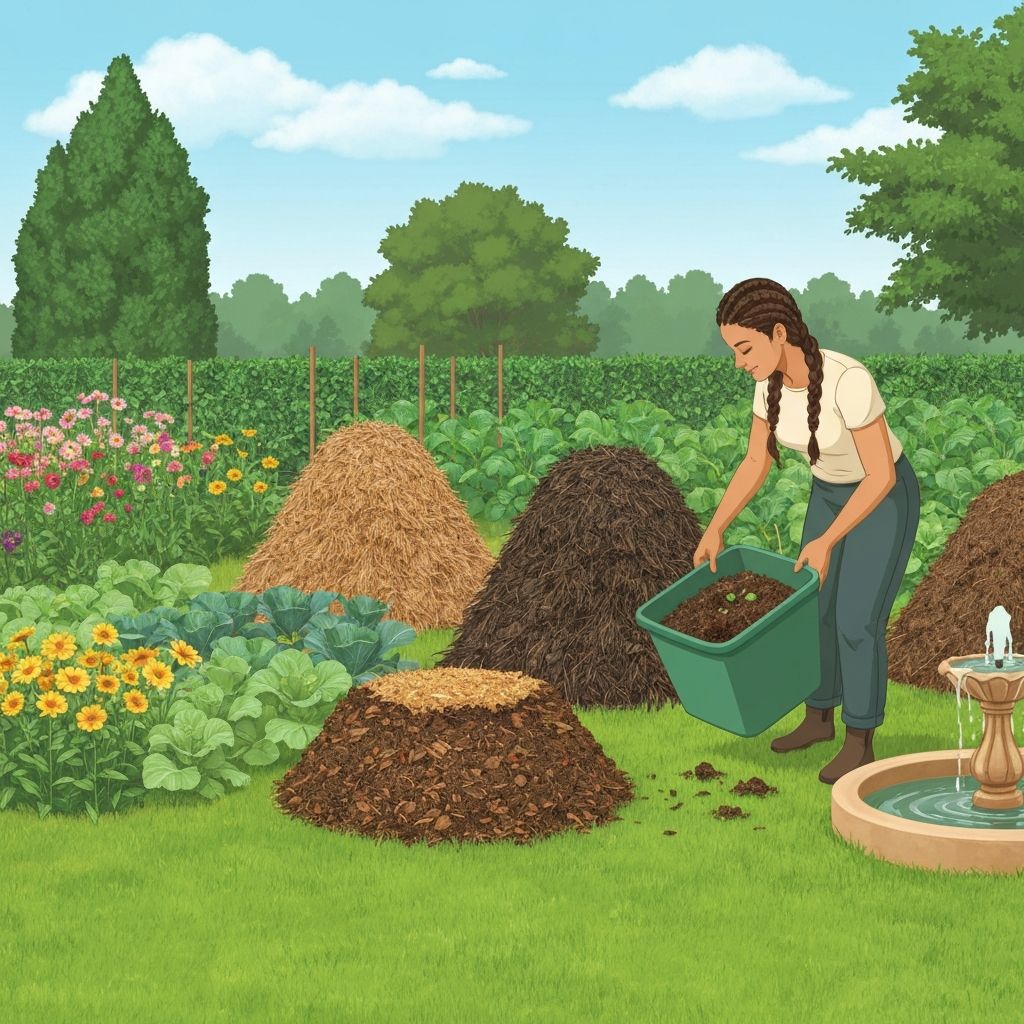
Sustainable practices include reducing consumption of processed foods with excessive packaging, choosing locally-grown produce when possible, minimizing food waste through conscious consumption, supporting organic and regenerative agriculture, and making mindful choices about water and energy usage.
Environmental wellness encompasses both the natural world we inhabit and the conscious choices we make daily that ripple outward to influence the larger systems we depend upon.
Sleep: The Foundation of Restoration
Sleep represents one of the most critical pillars of wellness, yet it is often compromised in modern life. During sleep, the body engages in profound restorative processes: cellular repair, immune system strengthening, memory consolidation, and emotional processing all occur during quality sleep.

Consistent sleep schedules, optimal sleep environments, and pre-sleep relaxation practices significantly enhance sleep quality and overall health outcomes.
Hydration and Water Wellness
Water represents the fundamental medium of all life processes within the body. Proper hydration supports every physiological function: nutrient transport, temperature regulation, cognitive function, digestive efficiency, and toxin elimination. Despite its simplicity, hydration remains one of the most impactful wellness practices.
Individual hydration needs vary based on activity level, climate, and personal physiology. A general guideline suggests adequate daily water intake to maintain clear urine coloration and consistent energy levels. Beyond plain water, hydration can come from herbal teas, water-rich foods like fruits and vegetables, and other beverages.
Mindful hydration—paying attention to thirst cues and drinking consistently throughout the day—represents a simple yet profoundly effective wellness practice.

Environmental Influence on Well-being
The quality of our physical environment profoundly influences our health and well-being. Clean air and water, exposure to natural light, access to green spaces, and freedom from excessive noise and pollution all support optimal health functioning.

Creating personal environments that support health—such as plants in living spaces, natural light exposure, air quality management, and connections to nature—represents an accessible yet powerful wellness strategy that costs little yet yields significant returns in terms of mental clarity, physical vitality, and emotional balance.
Community and Social Wellness
Human beings are fundamentally social creatures, and the quality of our relationships profoundly influences health outcomes. Social connection, community engagement, and the exchange of support with others create protective effects against stress, depression, and physical illness.

Engaging in community wellness activities—whether through group exercise classes, shared meal preparation, wellness discussions, or mutual support—creates synergistic benefits that extend beyond individual practice.
Limitations and Context
Educational Content Only. All materials presented on Jyra are provided for educational and informational purposes only. This content does not constitute medical advice, professional health recommendations, or a substitute for consultation with qualified healthcare professionals.
The information presented here describes general principles of wellness, nutrition, and lifestyle practices. It is not intended to diagnose, treat, cure, prevent, or mitigate any disease, medical condition, or health concern. Individuals should consult with appropriate healthcare providers regarding any specific health conditions or before making significant changes to diet, exercise, or supplementation routines.
Wellness approaches vary significantly among individuals based on genetics, health status, age, activity level, and personal preferences. What benefits one person may not be suitable for another. Individual variation in response to lifestyle changes is normal and expected.